
anna mathur on Why So Many Mothers get Angry and what it really means

Anger isn't something many mothers talk about. We'll happily admit we're tired. Overwhelmed. Stretched too thin. But anger still feels like one of the last taboo emotions of motherhood.
It's often followed by guilt. The raised voice after a difficult day. The sharp reply you immediately wish you could take back. The feeling that everyone else seems to be coping better than you are.
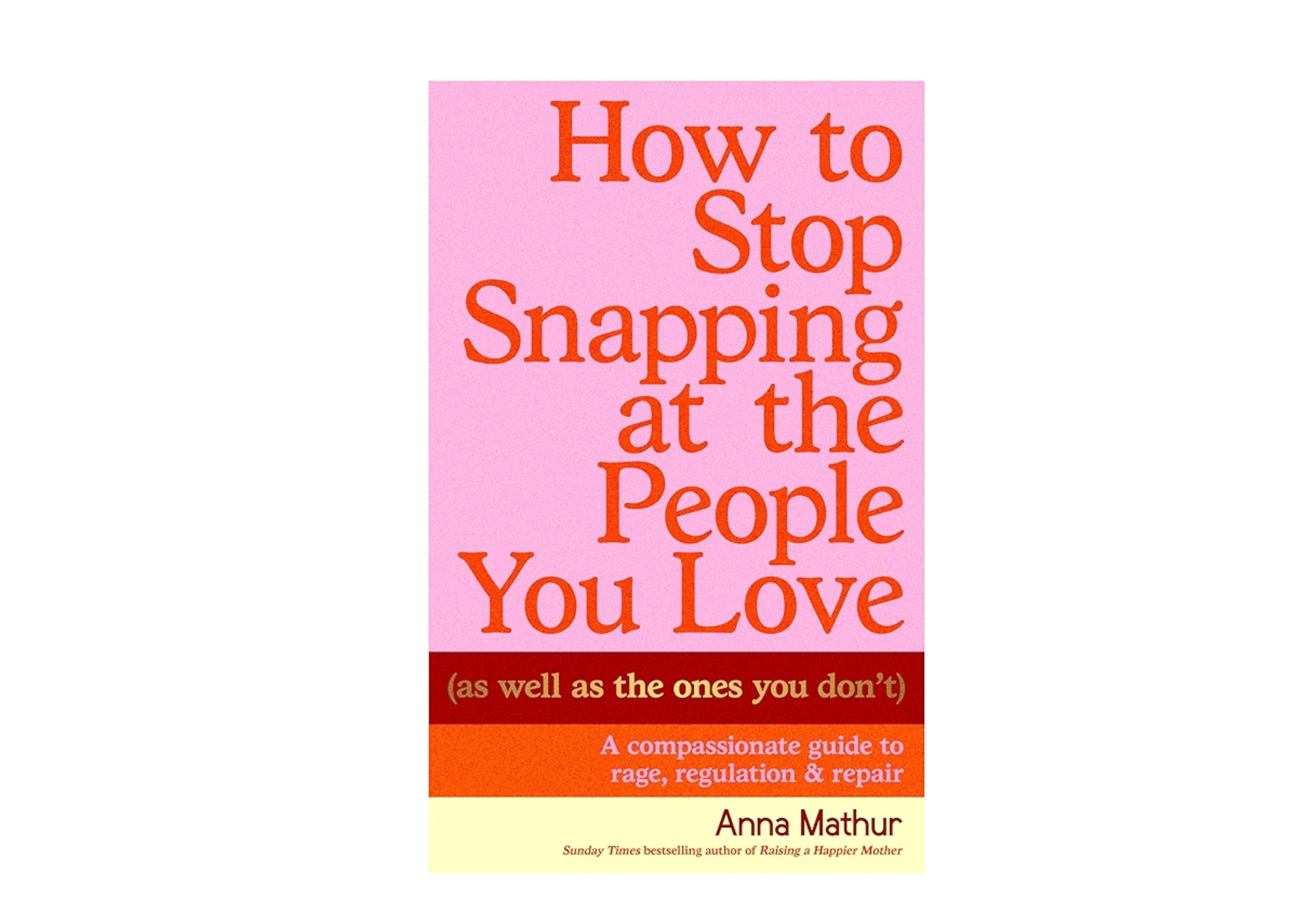
Psychotherapist and bestselling author Anna Mathur believes we've misunderstood what anger actually is. In her new book, How to Stop Snapping at the People You Love, she argues that anger isn't evidence of failure. It's information. A signal that something deeper needs our attention.
Why Mothers Feel So Much Shame Around Anger
From childhood, many women are taught that anger is something to hide. "We have been taught that anger is ugly, loud, inconvenient, too much and not ladylike," Anna explains.
"The good girl conditioning runs deep. It tells us our worth lives in our patience, our gentleness and our willingness to absorb everyone else's needs without complaint."
Motherhood only amplifies that expectation. "We've created a cultural narrative that says if you're not endlessly calm and patient as a mother, you're somehow failing. That creates profound shame around something that is actually a completely normal human experience."
Anger Is Often The Last Warning Sign
One of the biggest misconceptions, Anna says, is believing anger is the problem itself. Instead, it is often the body's way of telling us something needs to change.
"Rest is the biggest unmet need I see," she says. "So many women are running on empty and anger is often the last signal before the brain shifts into fight or flight."
But exhaustion isn't the only unmet need anger can reveal. "It can signal the need to be seen and heard, not just as a mother, partner or colleague, but as a human being with her own needs and internal life."
"It can point to the need for help that hasn't been asked for because asking feels like weakness. It can reveal relationships where things have gone unspoken for too long and underneath much of it sits the need for self-compassion. Permission to be imperfect, messy and human."
You're Probably Not 'Bad At Coping'
Many women quietly convince themselves they're simply not very good at coping. Anna believes the reality is often very different.
"The women who describe themselves as bad at coping tend to be those who have actually been coping with an enormous amount, often alone and often without acknowledgement."
Instead of viewing snapping as evidence of a character flaw, she encourages women to consider whether they've simply been carrying too much for too long. "The snapping isn't evidence of a character flaw. It's evidence of a system that has been running too hot for too long without adequate support."
Rather than asking, What's wrong with me?, Anna suggests a different question. "What have I been asked to carry, and is that actually sustainable?"
Have We Made Exhaustion A Badge Of Honour?
Perhaps Anna's most powerful observation is how normalised maternal depletion has become. "We've reframed exhaustion as a virtue," she says. "Loving until you've got nothing left is seen as true love. Busy becomes a badge of honour. Struggling somehow proves you care."
The danger is that women become so used to carrying everything that asking for help feels harder than simply carrying on. "We've built a culture where the mother who is running on empty is celebrated for her dedication rather than supported in her depletion."
Repair Matters More Than Perfection
For many mothers, the hardest part isn't the anger itself. It's the guilt that follows. "The guilt that follows snapping at someone you love doesn't make you a better mother," Anna says. "It simply raises the pressure and makes the next snapping moment more likely."
What matters more is repair. With your child, that might sound like: "I lost it and I'm sorry. I was overwhelmed and that wasn't your fault." With yourself, it means offering the same compassion you would give a friend. Rather than judging yourself, Anna encourages curiosity instead. "What was I carrying in that moment, and what do I actually need?"
Listening Instead Of Suppressing
If Anna could encourage mothers to do one thing differently, it would be to stop treating anger as something to suppress. "Most of us have been taught to control it or apologise for it," she says.
"But anger is a signal. It tells us that a need has gone unmet, a boundary has been crossed or we've been carrying more than we were ever meant to carry alone."
"The moment you move from shame to curiosity, everything begins to change."
It's a simple shift, but perhaps an important one. The goal isn't to become the endlessly patient mother social media tells us we should be. It's to recognise that anger isn't always the enemy. Sometimes, it's simply your mind and body asking for help before they can no longer carry the load.
Three Things ANNA WANTS YOU To Remember
1. Your anger isn't a character flaw
Anger is information. Instead of seeing it as proof you've failed, treat it as a signal that something underneath needs attention. Ask yourself: What need has gone unmet? What boundary has been crossed?
2. Repair matters more than perfection
No parent gets it right all the time. What builds secure relationships is what happens afterwards. A simple, honest apology such as, "I lost it and I'm sorry. I was overwhelmed and that wasn't your fault," can be incredibly powerful.
3. Reduce the load before it breaks you
The work doesn't start when you snap. It starts long before. Protect your sleep where you can, ask for help before you reach crisis point, share the mental load and make time that is genuinely yours. These aren't luxuries. They're the foundations that allow everything else to function.