
Children & Winter Skin: A Dermatologist Explains What Parents Need To Know

From childhood eczema and winter flare-ups to pregnancy and postpartum skin changes, consultant dermatologist Dr Ellie Rashid shares the simple habits that can make a difference to the whole family's skin.
Dry cheeks, itchy patches, another night of interrupted sleep. If you have a child with sensitive or eczema-prone skin, you'll know how quickly a small irritation can become a bigger problem. And as temperatures drop and the central heating goes on, keeping everyone's skin comfortable can feel like another job on an already endless list.
But what actually makes children's skin more vulnerable? Which ingredients are worth looking for, and when should you be concerned about a flare-up?
We spoke to Dr Ellie Rashid, consultant dermatologist, mother of two and QV skincare ambassador, about the everyday habits that help protect the skin barrier, the winter triggers worth knowing and why our own skin can change so dramatically during pregnancy and after having children.
Why Children's Skin Is More Sensitive Than Ours
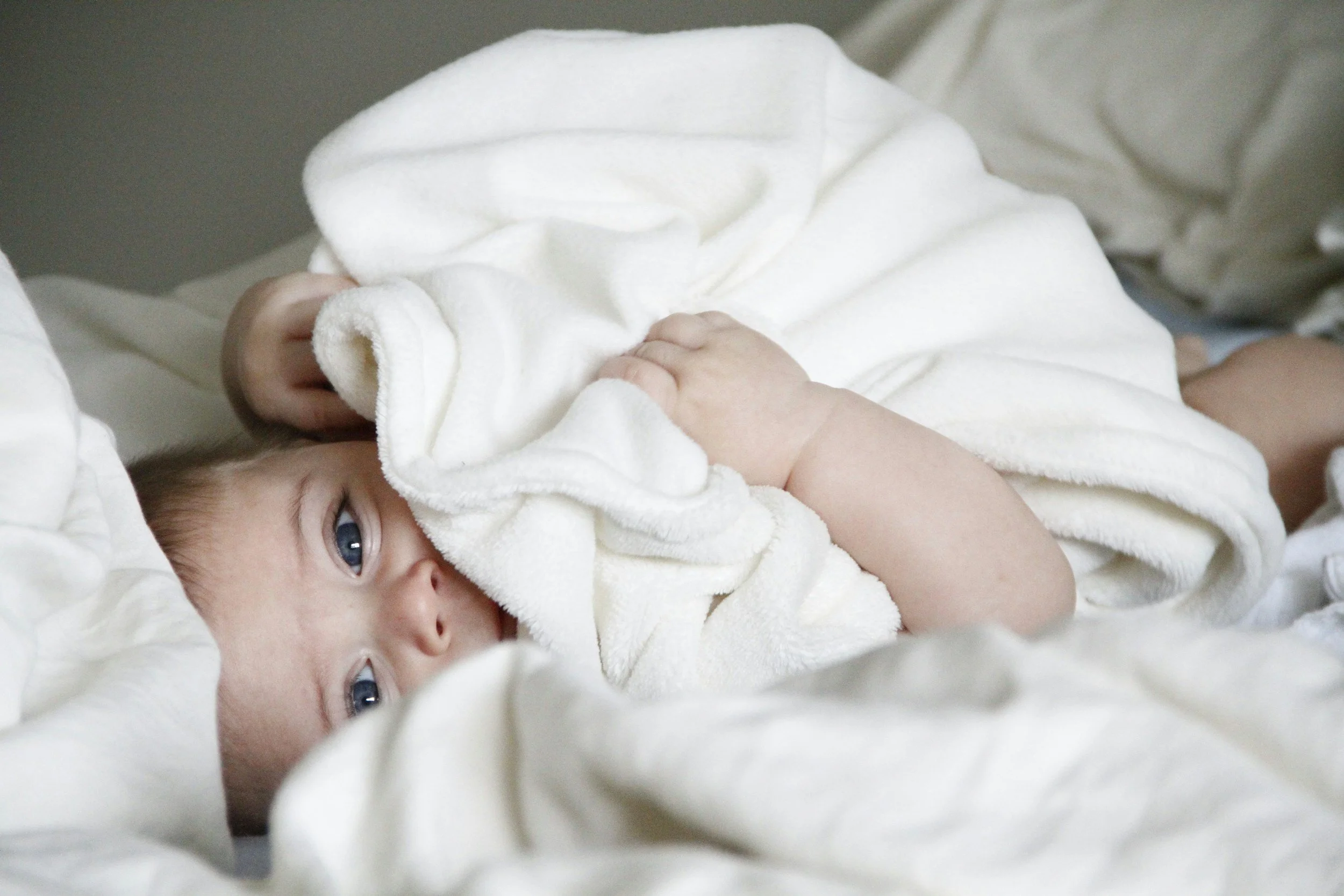
A baby's skin might feel wonderfully soft, but beneath the surface, its protective barrier is still developing. “A baby's skin is structurally thinner than adult skin and the barrier is still maturing for the first few years of life,” explains Dr Rashid.
Because it loses water more quickly and produces less natural oil, children's skin is more susceptible to dryness and irritation. For those with eczema, there can also be an inherited weakness in the barrier itself, allowing moisture to escape while everyday irritants get in.
And while we tend to associate eczema with visible redness or rough patches, the first warning sign is often something parents might easily miss. “The earliest sign of a flare is usually itch, before you see much at all.”
That could mean a baby rubbing their face against bedding, a toddler scratching more than usual or a child suddenly struggling to settle at night.
As a flare develops, dry, rough patches may appear on babies' cheeks or in the creases of the elbows and knees in older children. Depending on skin tone, affected areas can look pink or darker than the surrounding skin.
The Everyday Routine That Actually Helps
When it comes to sensitive skin, a complicated routine isn't necessarily a better one. “Simple is best,” says Dr Rashid.
Her advice starts with a short, lukewarm bath or shower, followed by gentle cleansing and plenty of moisturiser. Choose a soap-free wash and a fragrance-free emollient, applying it within a few minutes of bathing while the skin is still slightly damp.
Dr Rashid recommends applying moisturiser in the direction of hair growth and reapplying several times throughout the day, rather than waiting until skin looks visibly dry.
The ingredients are worth paying attention to, too. Glycerin, ceramides and squalane can help support the skin barrier, while occlusive ingredients help prevent moisture from escaping.
On the avoid list? Fragrance, including essential oils, foaming cleansers and bubble baths, which can aggravate already sensitive skin. “The best emollient is the one your child will tolerate and you will actually use consistently.”
It's perhaps the most useful piece of advice for parents. The best routine isn't the one with the most products or the most impressive ingredients list. It's the one that works for your child and fits into everyday life.
Why Winter Can Make Eczema Worse
If you've noticed your child's eczema returning as soon as the weather changes, there's a reason. Cold air outside holds less moisture, while central heating dries the air indoors. Together, they encourage water loss from the skin, leaving its protective barrier more vulnerable.
Add longer, hotter baths, woolly jumpers, synthetic fabrics and the constant transition between chilly outdoor temperatures and heated rooms, and winter becomes something of a perfect storm for sensitive skin.
Dr Rashid suggests getting ahead of the problem rather than waiting for the first flare-up. Keep baths short and warm rather than hot, increase moisturiser use as the weather turns and layer soft cotton next to the skin. Avoid overheating bedrooms, particularly if itching is affecting sleep. A humidifier may also be helpful in particularly dry rooms.
It's advice she follows herself. “I get very dry skin on my legs which is made much worse in the colder weather and find applying moisturiser after my shower really helpful.”
A small habit, but one worth adopting before winter properly sets in.
When Is It Time To See A Doctor?
Most parents become familiar with their child's usual dry patches, but knowing when eczema needs medical attention isn't always straightforward. Mild dryness and occasional flare-ups that improve with regular moisturising can often be managed at home.
However, Dr Rashid recommends speaking to your GP if eczema hasn't improved after a week or two of consistent care, if itching is disrupting sleep or if your child seems distressed.
Some symptoms need more immediate attention. Weepy, crusted or painful skin can suggest infection and should be assessed promptly. Clusters of punched-out blisters, or a child who is generally unwell, require urgent medical advice.
And what about allergies? There can be a connection, particularly in babies with early, severe eczema, who are more likely to have food allergies.
If your child develops hives, swelling or vomiting shortly after eating a particular food, seek medical advice. But Dr Rashid cautions against cutting foods from a child's diet without professional guidance, as unnecessary restrictions can affect nutrition.
Pregnancy, Postpartum And Your Own Changing Skin
Of course, children aren't the only ones dealing with unpredictable skin. Pregnancy can bring everything from unexpected breakouts and dryness to increased sensitivity, itching and pigmentation. And just when you think you've adjusted, the postpartum period can introduce an entirely different set of changes.
The reason is hormonal. During pregnancy, shifts in oestrogen, progesterone and other hormones, alongside changes in blood flow and immune function, can affect how the skin behaves. Melasma, the patches of pigmentation that can appear during pregnancy, is particularly influenced by sun exposure.
After birth, hormone levels fall sharply, which can affect skin oiliness and trigger hair shedding a few months later. Add broken sleep and the demands of caring for a newborn, and it's hardly the ideal moment for a ten-step beauty routine.
Dr Rashid's own approach was refreshingly straightforward. “I kept things super simple during pregnancy!”
Her recommended essentials are a gentle cleanser, a fragrance-free moisturiser and a daily broad-spectrum SPF, particularly important for protecting against pregnancy-related pigmentation. Retinoids should be avoided during pregnancy, and any other active skincare ingredients should be checked with a pharmacist or doctor.
There's also one symptom that shouldn't be dismissed as ordinary pregnancy sensitivity: itching in later pregnancy, particularly on the palms of the hands or soles of the feet. Dr Rashid advises reporting this to your midwife, as it can be a sign of a pregnancy-related liver condition that requires testing.
A Few Products Worth Knowing
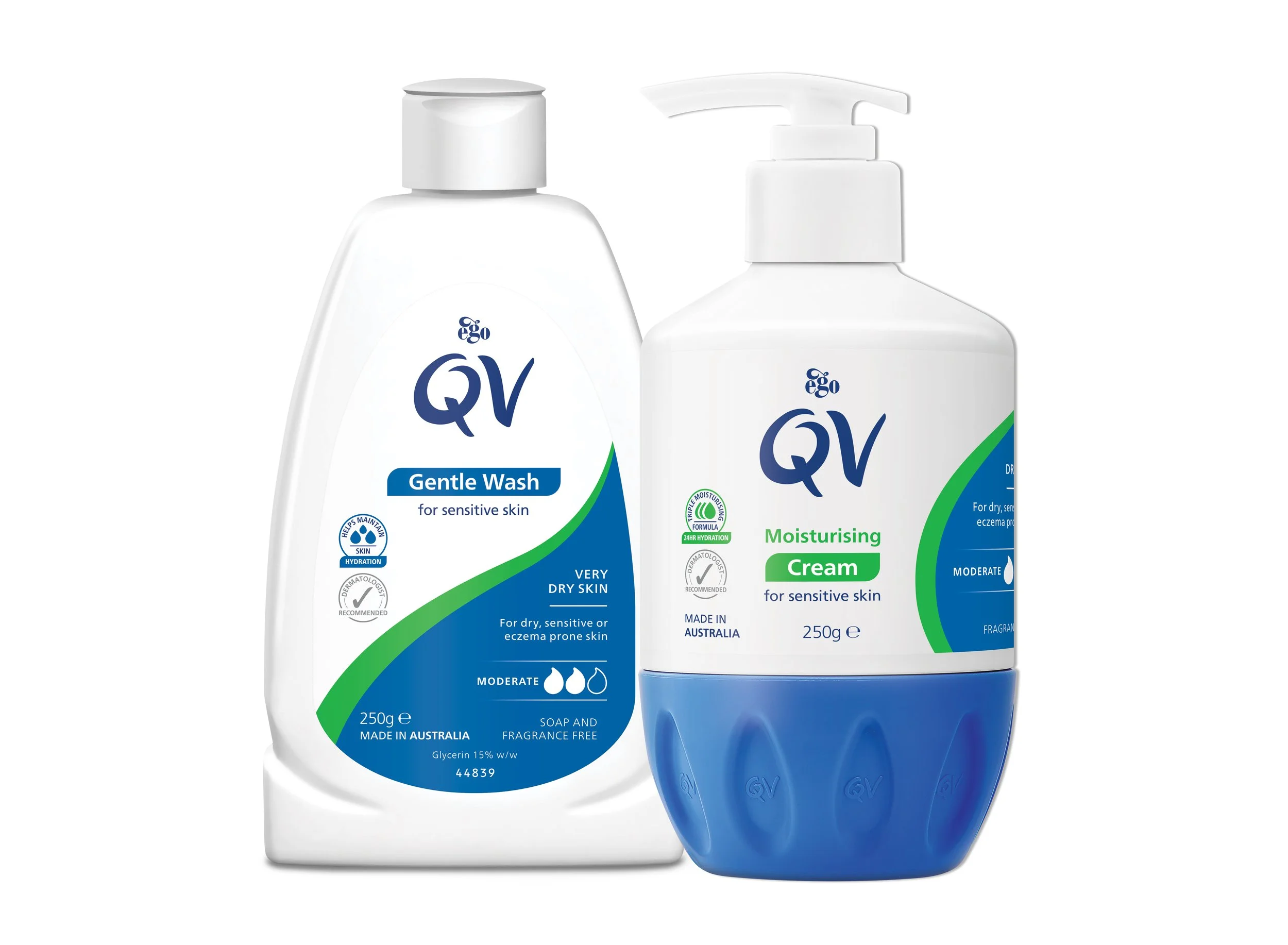
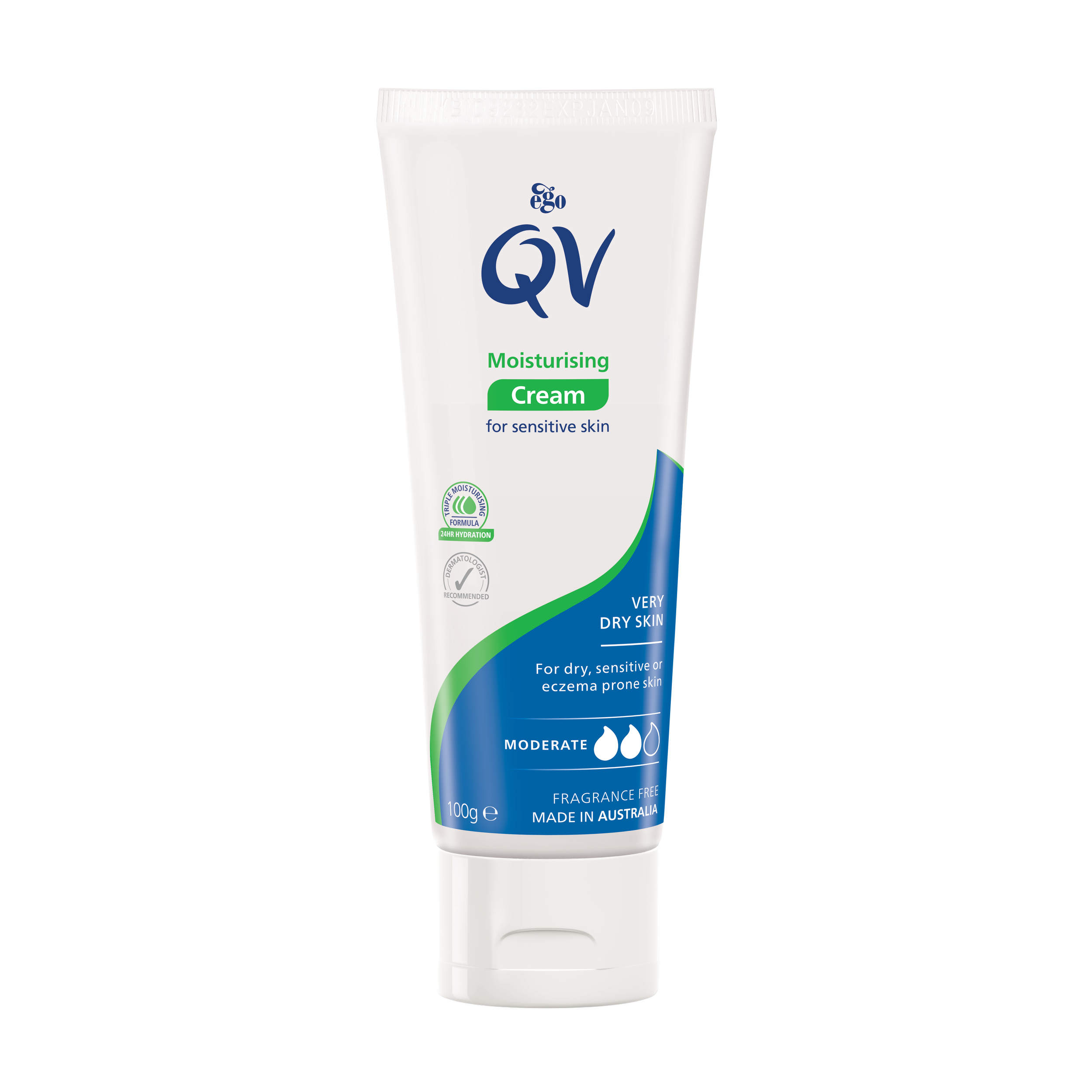
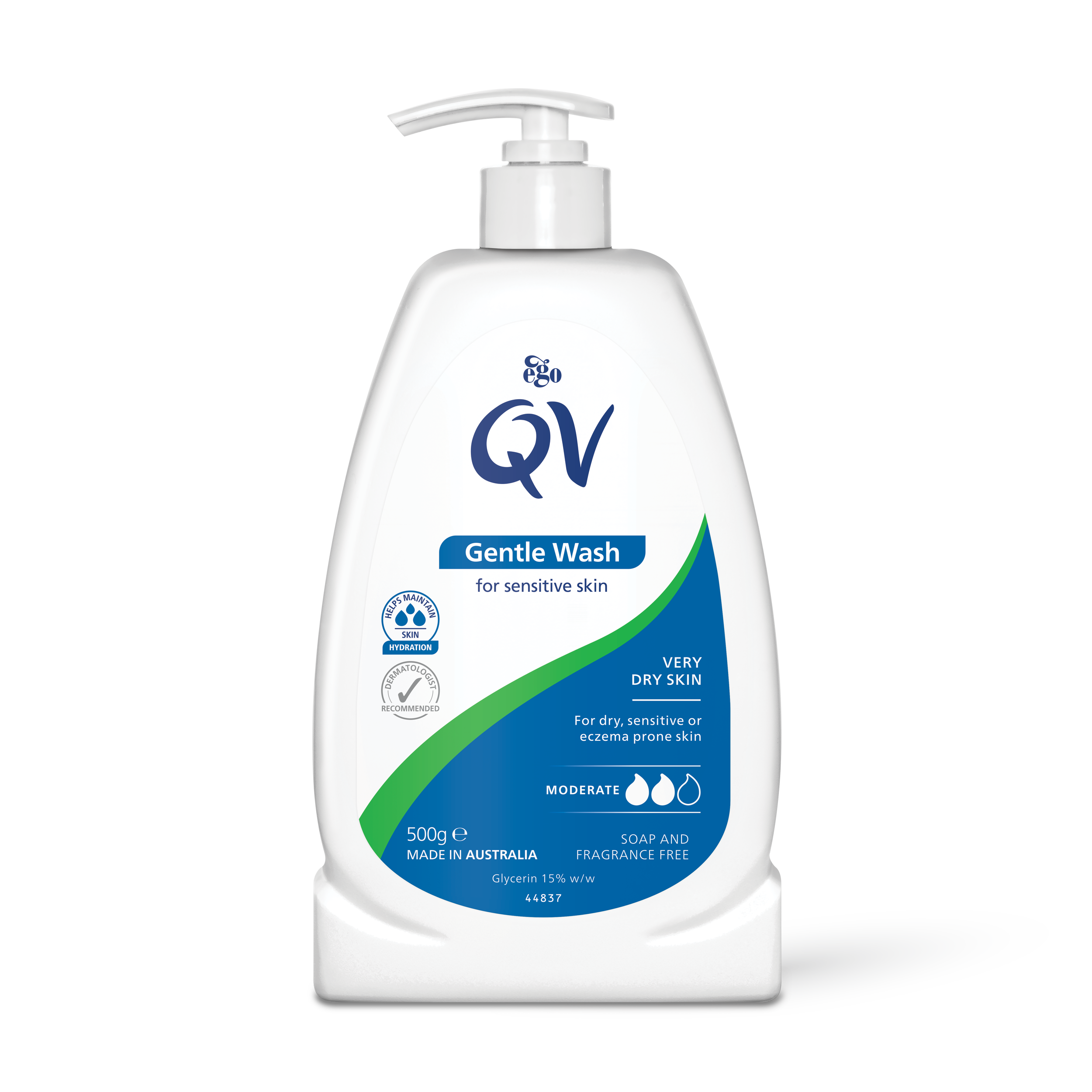
For families looking to simplify their skincare routine, Dr Rashid highlights a handful of products from QV, the sensitive skincare brand she represents.
QV Gentle Wash is a soap-free cleanser designed for sensitive skin, while QV Moisturising Cream and QV Lotion offer fragrance-free moisturising options for everyday use. Rather than introducing lots of different products, her advice is to find a gentle cleanser and an emollient that suit your family's skin, then use them consistently.
The emphasis is on protecting the skin barrier, not constantly changing what's on the bathroom shelf.
Whether you're managing a baby's first eczema flare-up, dealing with dry winter skin or navigating your own postpartum changes, Dr Rashid's advice comes back to a few simple principles: cleanse gently, moisturise regularly, avoid unnecessary irritants and know when to seek help.
And for parents already juggling a hundred other things, there's something reassuring about that. Looking after the family's skin doesn't have to be complicated. Sometimes, getting the basics right is enough to make a meaningful difference.
Dr Ellie Rashid is a consultant dermatologist, mother of two and ambassador for QV Skincare. She shares expert advice on sensitive skin, eczema and skin health across different life stages. | Discover QV Skincare: qvskincare.co.uk