
What Every Parent Should Know Before Heading To A&E With A Baby Or Toddler
There is a particular kind of anxiety that comes with having a young child, especially when they are unwell. The quiet questions that run in the background. Is this normal? Should I be worried? Do I wait it out or go now?
For many parents, the line between managing something at home and seeking medical help can feel unclear.
Leila Saadi, a paediatric advanced nurse practitioner with over a decade of experience in a busy London children’s A&E department, has built her work around exactly this space.
Through her platform, Newborn & Beyond, she helps parents feel more confident in recognising illness, understanding what matters, and knowing when to act.
Here, she shares the questions she sees most often, and the answers every parent should have to hand.
What are the most common reasons parents bring babies or young children to A&E?
The most common presentations are fevers and breathing difficulties.
Parents understandably become very concerned when their child develops a fever, particularly for the first time. But once a baby is over three months old, fevers are generally much less concerning than people think.
What symptoms should parents never ignore?
For newborns and young babies, there are a few clear red flags.
A temperature of 38°C or above in a baby under three months should always be checked in A&E. Equally, a temperature below 36°C is also a reason to seek medical attention. Green vomit is another one. It may sound obvious, but it is always a sign that needs urgent review, and it helps to bring the clothing with you to show clinicians.
Breathing concerns at any age should never be ignored. If your child’s breathing looks laboured or different, it is always worth getting checked, regardless of the time of day. Another key sign is an unsettled, inconsolable baby. This is different from being upset. It is when they cannot be comforted, no matter what you try, sometimes accompanied by a high-pitched cry.
And perhaps most importantly, trust your instinct. If something feels off, it usually is.
When is it safe to manage illness at home?
Once babies are over three months old, they are more resilient. Their immune systems are developing, and they have started their vaccinations. With toddlers, a reduced appetite is very normal when they are unwell. The priority should always be fluids rather than food. Small, frequent drinks are often the best approach.
You can usually manage things at home if your child is drinking, responsive, breathing comfortably and still having regular wet nappies.
When should parents seek medical help?
There are a few clear indicators. If your child is struggling to breathe, is very lethargic or floppy, or is not responding as usual, it is time to seek help.
Equally, if they are taking in less than half their usual fluids, have fewer than two wet nappies in 24 hours, or show signs of dehydration such as dry lips or sunken eyes, they should be assessed.
And again, instinct matters. If you feel something is not right, it is always better to check.
What do parents often misunderstand about childhood illness?
One of the biggest misconceptions is that a fever itself is dangerous.
In most cases, once a child is over three months old, a fever is simply the body doing its job to fight infection. If a child is hot but otherwise happy, it is often best to let the fever run its course. If they are uncomfortable, medication can help.
Another common belief is that children should be kept indoors when they are ill. In reality, fresh air can often help, both physically and emotionally. A short walk can be reassuring for both parent and child.
What should every new parent know before bringing their baby home?
Newborn breathing can be surprising. Babies can take up to 60 breaths per minute and often breathe in irregular patterns, speeding up and pausing. This is normal.
What is not normal is a baby who stops breathing and changes colour, becoming blue or grey. This is an emergency and requires immediate attention. Feeding is also key. Newborns should not go longer than four hours without feeding, even if they need to be gently woken to do so.
What helps parents feel more confident?
Understanding what is normal, and what is not. Leila’s workshops are designed to bridge the gap between medical knowledge and everyday parenting. They cover everything from common illnesses to emergency scenarios such as choking, all grounded in real clinical experience. The aim is simple: to give parents the tools they wish they had from day one.

Newborn & Beyond At Home
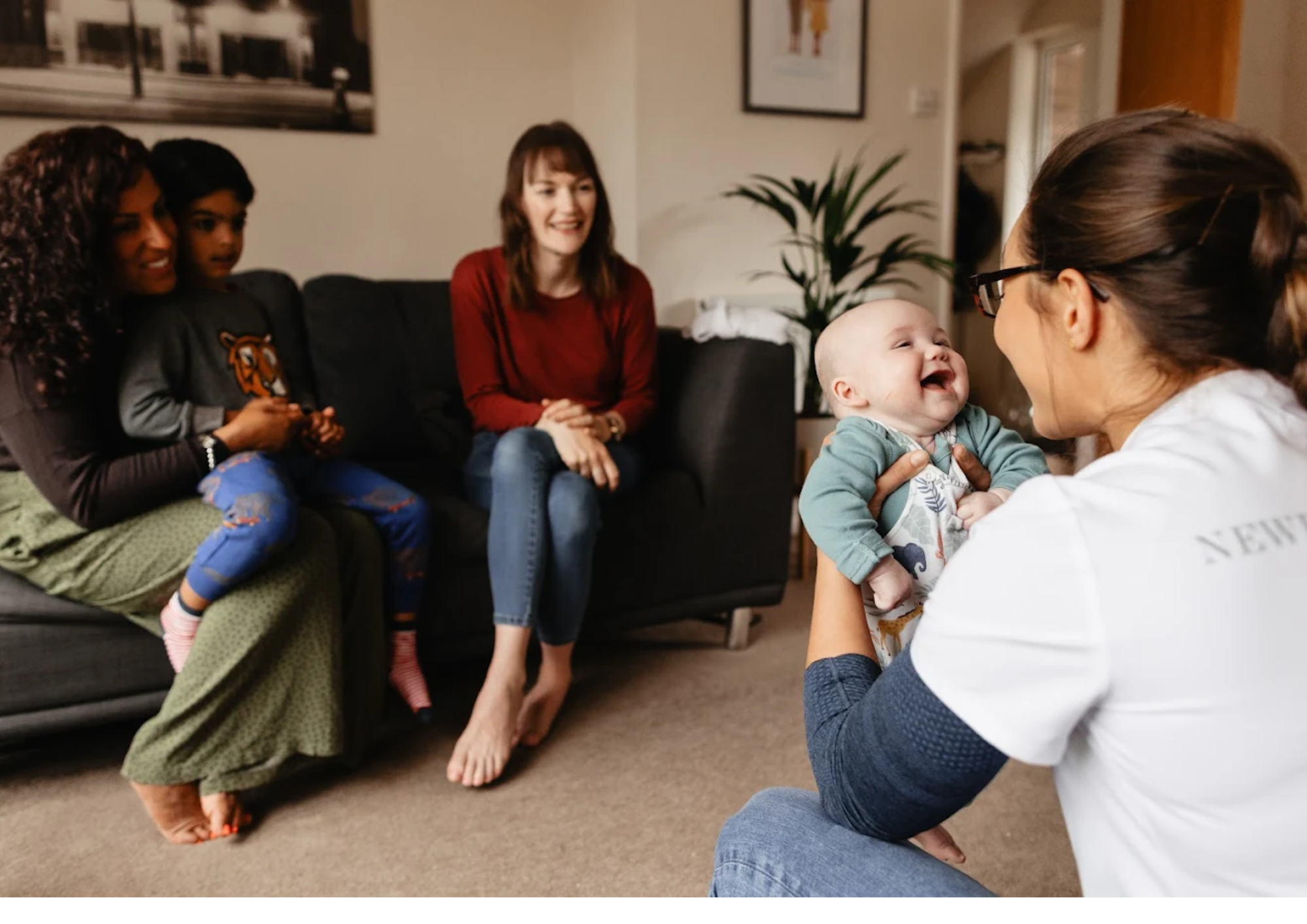
Newborn & Beyond offers tailored, in-home workshops designed by paediatric A&E nurse Leila to help parents recognise illness early, respond confidently, and understand when medical help is needed.
Mother+ readers can receive 10% off bookings using the code Mother+10.