
What Stress, Mum Guilt and Emotional Eating Are Really Trying to Tell Us

Emotional eating isn’t always about hunger or willpower. Dr Marilyn Rafih explores what our relationship with food can reveal about stress, exhaustion, guilt and the needs we so often put last.
By Dr Marilyn Rafih
You have finally finished the school run, work, dinner, homework and bedtime. Everyone has been looked after. Then you find yourself in the kitchen looking for something to eat. You may not be hungry. You may even know that food is not what you need. But it feels like the quickest way to switch off, reward yourself or have one small moment that belongs to you.
I do not see emotional eating as a lack of willpower. I see it as information. It may be telling you that you are tired, overstimulated, lonely, angry, under pressure or simply in need of comfort. We see the eating, so we try to control the food. But the food is only the visible part.
Why motherhood can make emotional eating louder
As mothers, we carry a constant mental load. We remember the school forms, snacks, appointments, uniforms, birthdays and everyone’s emotional needs.
Many of us are also working and trying to look after our own health. We tell ourselves we will rest when everything is finished. The problem is that everything is never finished.
Food works very well in this environment. It is available, fast and comforting. It can make a repetitive afternoon more enjoyable, mark the end of a demanding day or soften feelings we have had no time to process.
Sometimes the food simply tastes too good to stop. Sometimes eating is the only break we allow ourselves in a day built around everybody else.
What mum guilt may be saying
Mum guilt has many voices: I should be more patient. I should be more present. I should cook better meals. I should be more organised. I should enjoy every stage. Underneath all these ‘shoulds’ there may be a fear of letting people down or of being a bad mother.
That fear can make us ignore our own needs. We eat with the family when we are not hungry because being a good mother seems tied to eating together. We accept food because saying no feels rude. We keep going because resting while something is unfinished makes us feel lazy or irresponsible.
But our own needs deserve consideration too. Your presence is what connects you to your family, not the food on your plate.
You can appreciate a meal without eating when you are not hungry, and you can rest before everything is finished. Giving yourself permission to do either can be surprisingly difficult, but it matters.
Pause before trying to fix it
When you want to eat, try not to start with: How do I stop myself? Ask instead: What am I hoping food will change in this moment?
The answer may be hunger, in which case food is the answer. But it may also be exhaustion, boredom, stress, resentment, a need for pleasure or a wish to be cared for. When you name what you need, you create a small space between the feeling and the automatic response.
You can then decide what you want to do. You may still choose to eat, and that is OK. But it becomes a choice rather than something driven by shame or urgency.
Over time, listening to your body and noticing when it is telling you I’m done can help you rebuild trust in your own cues.
Food is only one part of emotional living
I lived with emotional eating for more than two decades. I have worked on it for more than five years and I no longer relate to food in the way I once did. But perhaps the biggest thing I learned was that emotional eating is only one part of emotional living.
We all find ways to cope. It might be food, screens, anger, smoking, biting our nails or procrastinating. We can spend years trying to stop the behaviour while missing the emotion, belief or unmet need underneath it.
For me, change has not been about becoming perfect around food. It has been about noticing what is happening earlier and having more than one way to respond. Some days I may still choose food. On another day, I may ask for help, set a boundary, go outside or rest.
I have also learned that life can feel a little boring sometimes – and that is OK. Eating does not always make the moment more enjoyable. Sometimes it just adds food to the same moment.
A gentler question to take with you
The next time you feel stressed, guilty or pulled towards food, ask yourself: What is this trying to tell me?
You do not need to fix it immediately. Start by listening. The more you understand what you are feeling and what you need, the less food has to carry on your behalf.
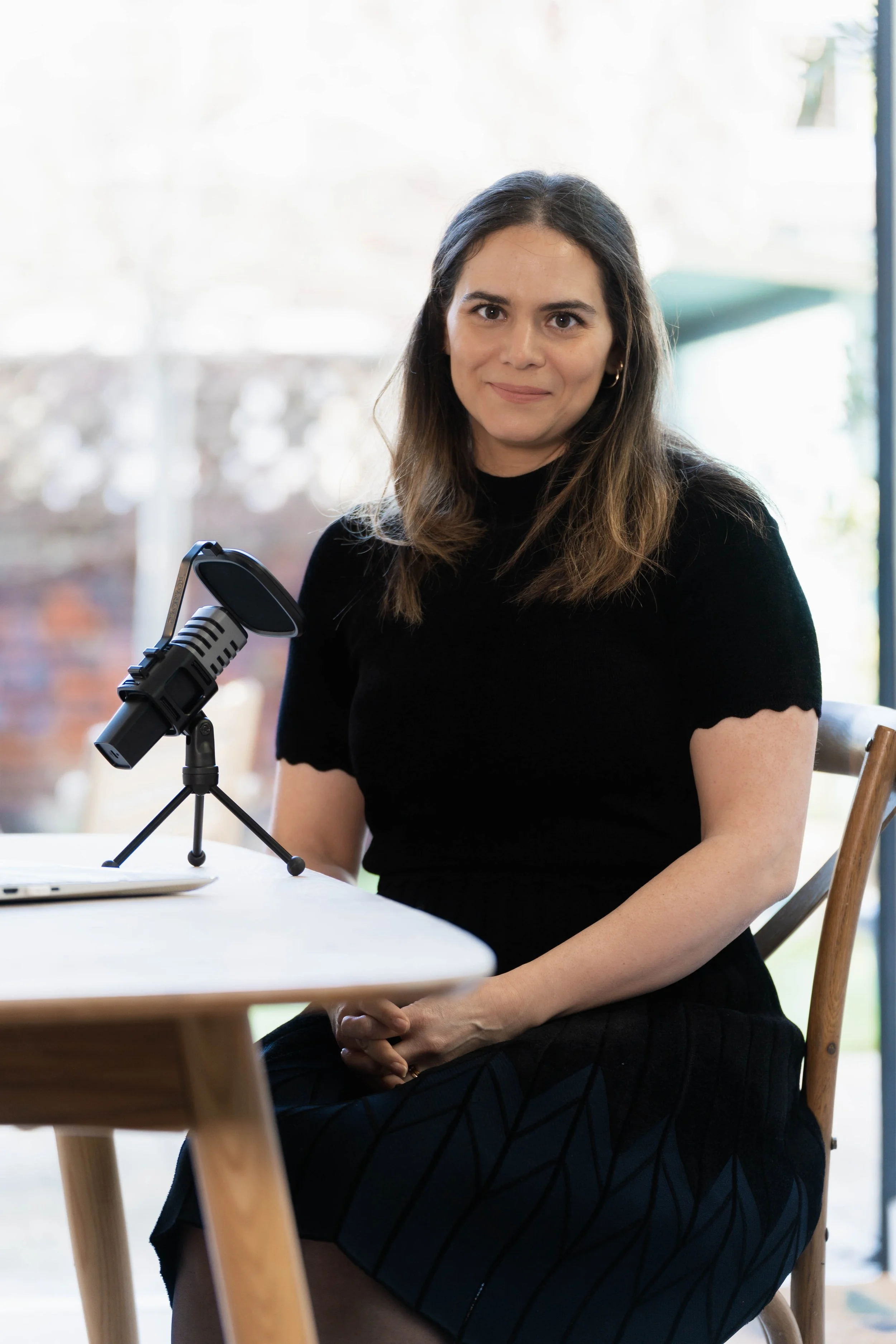
Dr Marilyn Rafih is a pharmacist, PhD, emotional eating and executive coach. After living with emotional eating for more than two decades, she now helps people understand the emotions and habits behind the ways they cope. She offers one-to-one coaching, practical workshops and corporate wellbeing sessions and has worked with organisations including Sweaty Betty, LVMH and Novartis.
Mother+ readers receive 20% off Marilyn’s services, including one-to-one coaching and corporate workshops.
For more information visit marilynrafih.com | Instagram: @DrMarilynRafih