
Why Hormones, Stress And Motherhood Can Trigger Acne Breakouts
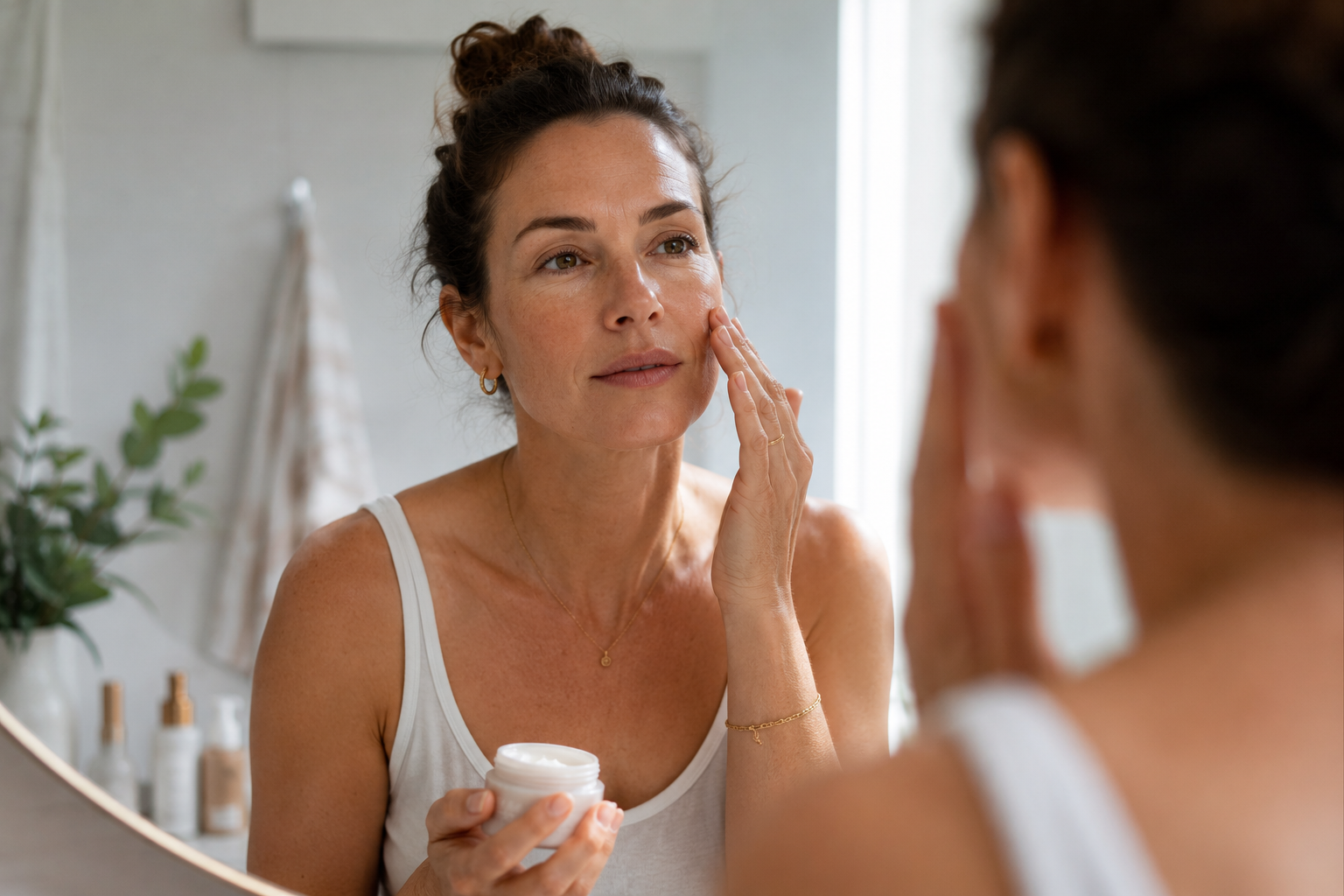
Most of us assume acne is something we're meant to leave behind in our teenage years. Yet for many women, breakouts can return in their 30s and 40s, often arriving alongside pregnancy, postpartum recovery, stress and the hormonal shifts that come with perimenopause.
According to skincare expert Charlene Murray, Brand Educator at Skeyndor, adult acne is far more common than many women realise.
"Adult acne can feel especially frustrating because many women feel breakouts should have been left behind in their teens. In reality, skin can change again in your late 30s and 40s as oestrogen, progesterone and androgen levels begin to fluctuate."
These hormonal shifts can increase oil production, causing skin cells to become trapped within the pore. Bacteria can then begin to grow, leading to inflammation, swelling and the congestion many women notice around the chin, jawline and lower face.
"Cysts are very common around this time as well," says Charlene.
For mothers, the challenge can be even greater. "With a newborn, lack of sleep and hormonal changes, that's a lot to contend with. A new baby brings a lot of change to navigate and the last thing you want to worry about is breakouts or feeling like they should have been left in your teens."
After giving birth, there is a rapid drop in oestrogen and progesterone.
"This can trigger the sebaceous glands to produce more oil. Skin cells then get stuck to the oil, causing a blockage on the pore's surface. Bacteria can grow, causing inflammation and swelling. Sleep reduction can also trigger the stress hormone cortisol, which can lead to breakouts."
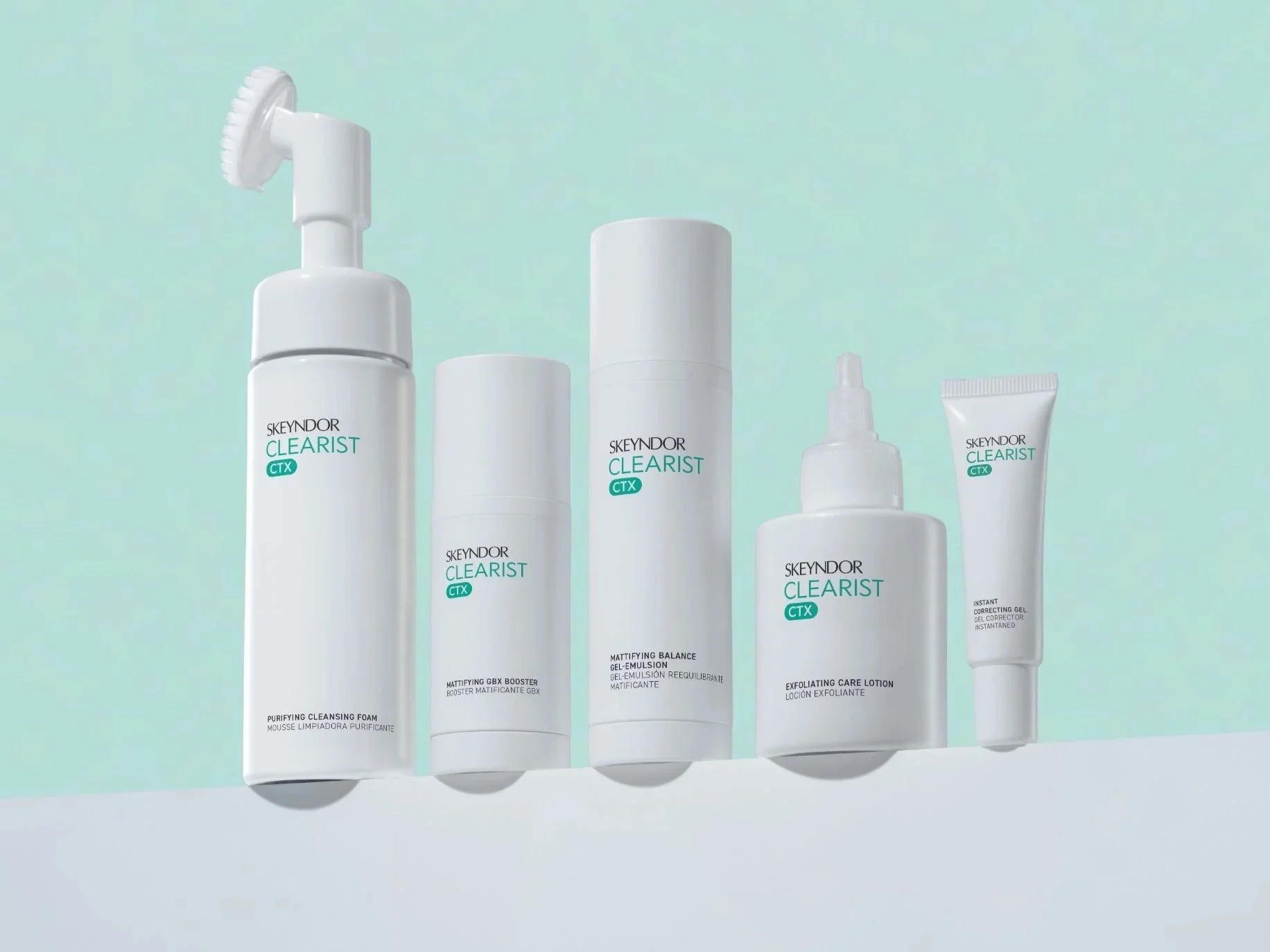
Consisting of 5 products, Clearist CTX offers a complete homecare system. Our pick is the Instant Correcting Gel, which calms breakouts within two hours.
Charlene recalls working with one client whose skin changed dramatically after having twins.
"None of her previously loved products were working for her anymore. It is really important to have your skin reassessed to check whether your products are still serving your skin, as they could now be causing irritation and making the situation worse."
One of the biggest mistakes women make, she says, is treating adult acne the same way they treated teenage acne. "My advice is to stop treating adult acne like teenage acne. Harsh, stripping products can weaken the skin barrier and make the cycle worse."
Instead, she recommends focusing on healing and repair. "Adult skin often needs a calmer approach, focused on reducing inflammation, supporting the barrier and rebalancing oil without over-drying."
Stress also plays a significant role.
"Raised cortisol levels can make the skin more reactive and inflamed, slowing its repair. This means breakouts may last longer and leave marks more easily."
For Charlene, healthy skin starts with the barrier. "The thing I love most about working with Skeyndor is that all the products and treatments focus on restoring the barrier function and microbiome of the skin. When this is healthy, your skin will be more resilient. This helps prevent breakouts and healing time is quicker, reducing the likelihood of scarring."
Expert Tips For Adult Acne
• Have your skin professionally reassessed if your skin has changed following pregnancy or hormonal shifts.
• Avoid introducing too many active ingredients at once.
• Focus on barrier repair as well as breakout control.
• Choose products that regulate oil while respecting the skin's microbiome and natural barrier.
The reassuring news? If you're dealing with breakouts in your late 30s or 40s, you're not alone. More often than not, it's a sign that your skin needs a different kind of support rather than a stronger attack.